Bonus Networks Unpacked: Linking Free Entries, Table Games, and Loyalty Rewards
Henrik Franke · Aug 27, 2026
Bonus Networks Unpacked: Linking Free Entries, Table Games, and Loyalty Rewards
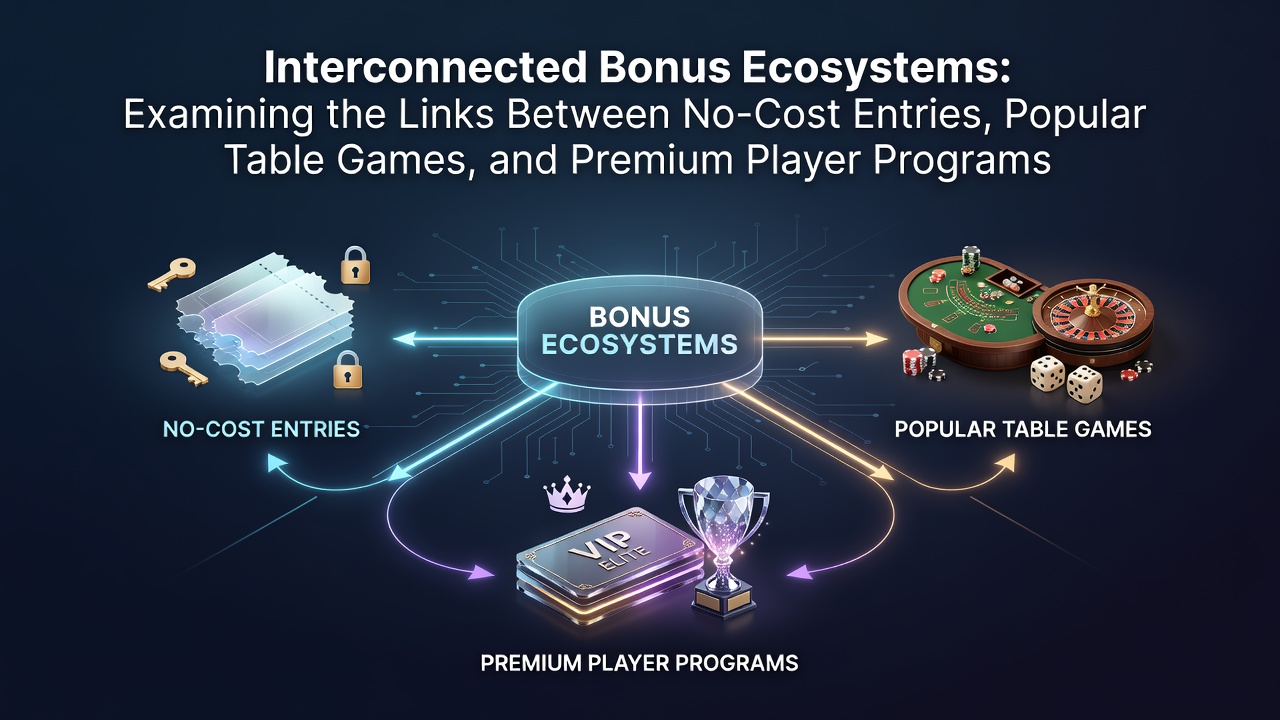
Operators design bonus systems where no-cost entries serve as starting points that guide players toward table games and premium loyalty programs, according to industry analyses from 2026. These structures connect free promotions with live dealer options such as blackjack and roulette, while payment methods accelerate progression through reward tiers. Data from multiple regions shows how initial bonuses create pathways that increase engagement across different game types and membership levels.
How No-Cost Entries Initiate Player Pathways
Free entries, often called no-deposit bonuses, allow new accounts to access games without upfront funding, and operators track how these promotions convert into table game activity. Studies from the American Gaming Association indicate that players who begin with such offers frequently move to roulette and blackjack sessions within the first week. Payment gateways play a role here because instant deposit options reduce friction when users decide to add funds after trying free spins or credits. In August 2026 several platforms updated their systems to link these entry-level offers directly with live dealer tables, creating measurable increases in session lengths.
Observers note that the design encourages gradual escalation, where a player who uses a no-cost entry on slots may receive targeted table game incentives next. This pattern appears across operators that monitor conversion rates from free play to paid table wagers. Research from the University of Nevada Gaming Research Center found that structured bonus ladders raised table game participation by measurable margins in tested markets.
Table Games as the Central Link in Bonus Chains
Popular table games function as the bridge between entry-level promotions and higher-tier rewards because they offer higher stake limits and social features that appeal to progressing users. Live dealer blackjack and roulette attract players who started with free entries, and operators often attach specific bonuses to these titles to maintain momentum. Figures from the Canadian Gaming Association reveal that table game sections receive disproportionate traffic from users who first claimed no-deposit offers. teh integration of swift payment solutions means winnings from these games transfer quickly into loyalty points or tier advancement.
What's notable is how wheel and card games create natural progression points. A player who wins on a promoted roulette table might unlock a VIP invitation or additional free credits tied to blackjack. These connections rely on backend tracking that records game type, wager size, and deposit frequency. External payment processors support the flow by enabling real-time balance updates that feed into loyalty algorithms.
Premium Player Programs and Their Dependence on Earlier Stages
VIP and loyalty programs sit at the top of these ecosystems because they reward cumulative activity that often begins with no-cost entries and continues through table play. Points earned from blackjack or roulette wagers convert into exclusive perks such as cashback, event access, or personalized bonuses. Reports compiled by the Australian Communications and Media Authority show that members who advance through such tiers tend to maintain longer account activity when early-stage promotions connect smoothly to premium benefits. Payment speed becomes relevant again, since faster withdrawals and deposits help users meet the activity thresholds required for tier upgrades.
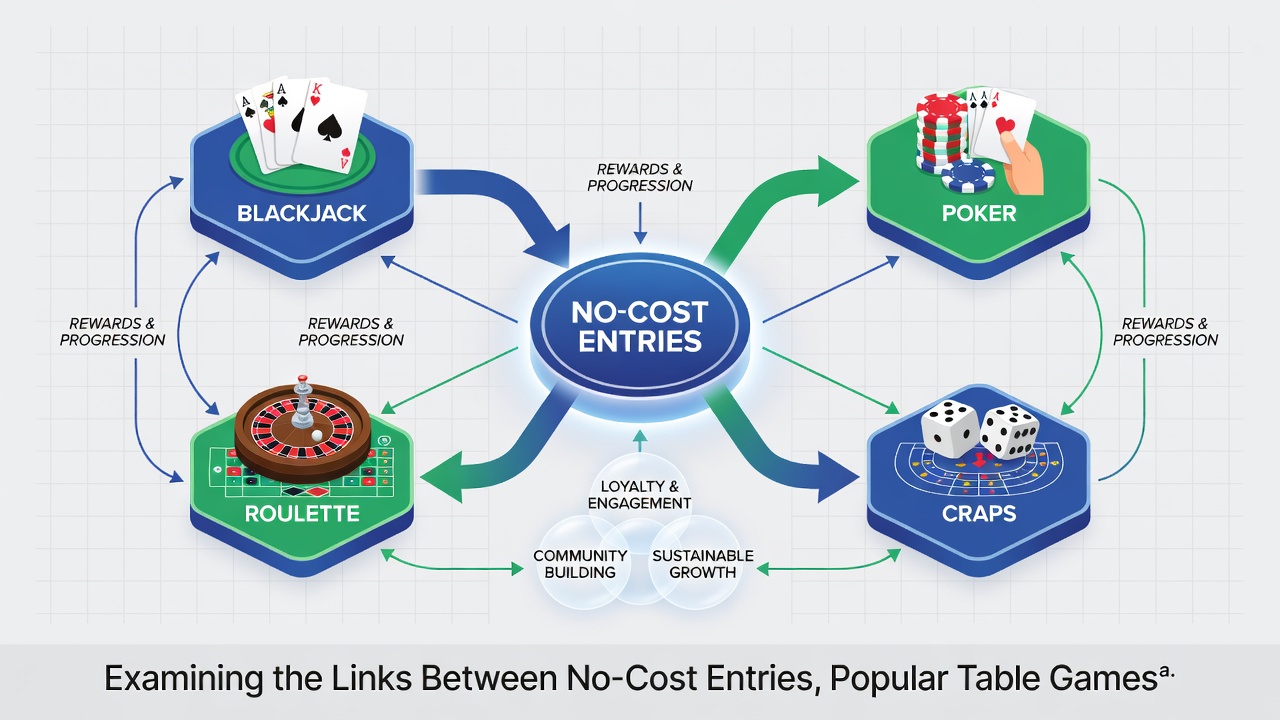
Operators adjust these programs seasonally, and August 2026 saw several updates that emphasized cross-game bonus tracking. The result is a system where activity in one area, such as a live dealer session funded after a no-deposit trial, directly influences rewards in the premium segment. Industry data indicates that platforms with integrated tracking retain users at higher rates across multiple game categories.
Payment Systems as the Glue Holding Ecosystems Together
Transaction methods influence how quickly players move between bonus stages because instant options reduce the time between free entry and table game deposits. E-wallets and certain card networks appear more frequently in loyalty program requirements, partly because they support the real-time data exchange needed for tier calculations. Research published by the European Gaming and Betting Association highlights that operators using faster payment rails report stronger conversion from entry bonuses to sustained table play and VIP enrollment. These systems also lower the barrier for users who want to test higher-stakes table options after starting with no-cost promotions.
Conclusion
Interconnected bonus ecosystems operate through deliberate links that start with no-cost entries, channel activity into table games, and culminate in premium player programs. Payment efficiency and tracking technology support each transition, while data from regulatory and research bodies across regions confirms the measurable impact on player progression. The structure remains consistent across platforms even as specific offers evolve throughout 2026.