Payment Processing Efficiency Shapes Transitions from Slot Bonuses to Live Table Play
Sage Hansen · Aug 8, 2026
Payment Processing Efficiency Shapes Transitions from Slot Bonuses to Live Table Play
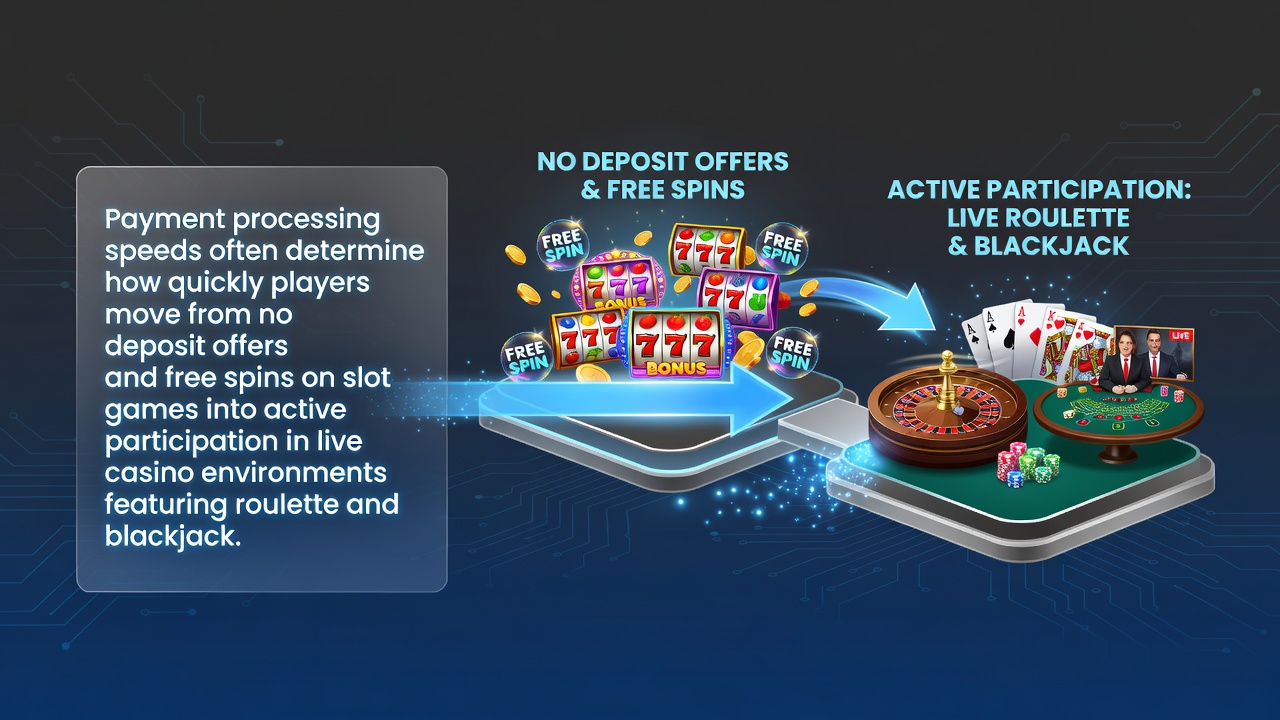
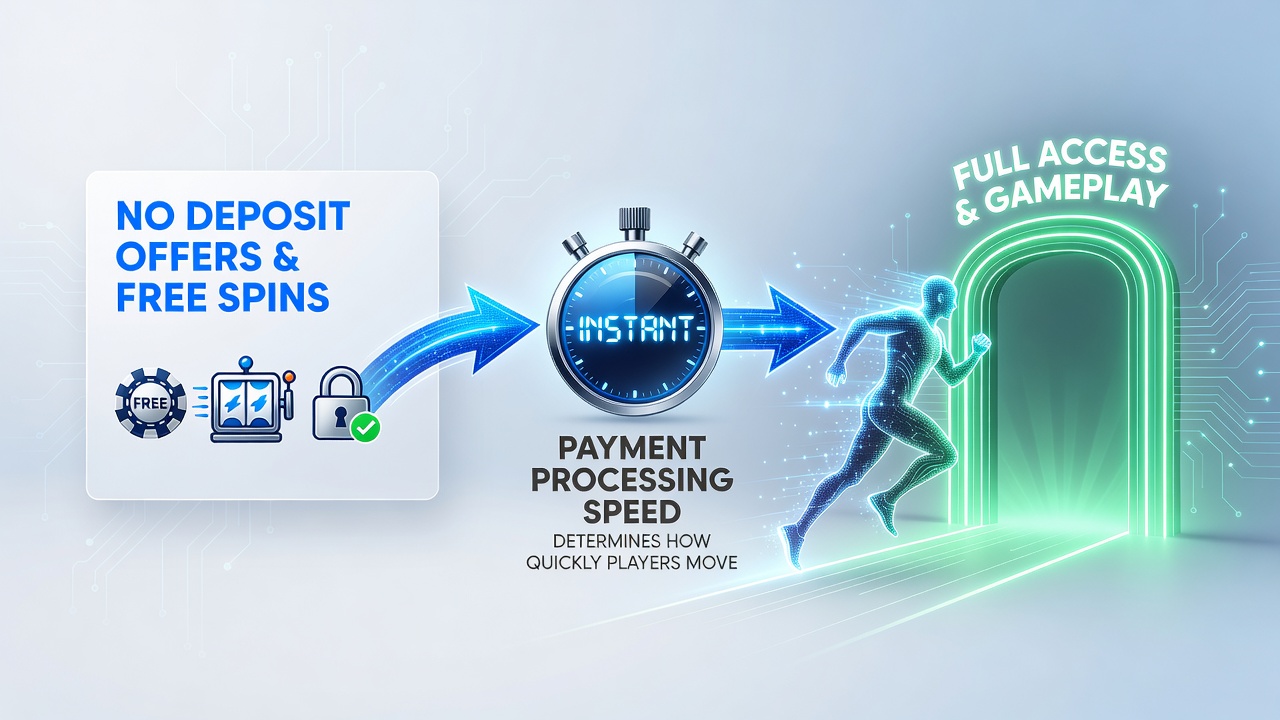
Payment processing speeds often determine how quickly players move from no deposit offers and free spins on slot games into active participation in live casino environments featuring roulette and blackjack, with data from industry reports highlighting direct correlations between transaction times and session continuity. Observers note that platforms equipped with rapid verification systems see higher conversion rates as users complete initial bonus rounds and proceed to funded live dealer sessions without interruption.
Systems that handle deposits in under 30 seconds allow seamless progression, whereas slower gateways introduce friction that can interrupt momentum built during free spin sequences. Research indicates that average processing durations vary significantly across providers, with some achieving near-instant confirmations through integrated banking APIs while others rely on batch processing that extends wait times to several minutes.
Transaction Pathways and Player Retention Metrics
Figures from multiple gaming associations reveal that sites optimizing for sub-minute approvals experience elevated retention during the shift from slot promotions to table games, because players remain engaged rather than navigating delays. Data shows this pattern holds across regions where digital wallets and card networks support real-time authorization protocols.
One study tracking user flows found that participants who encountered immediate payment confirmations advanced to live roulette and blackjack at rates 40 percent higher than those facing standard processing lags. These patterns emerge because quick funding preserves the momentum generated by initial no-deposit activities, turning exploratory spins into committed table play.
Regional Variations in Processing Standards
August 2026 brought updated compliance frameworks in several jurisdictions that emphasize faster settlement requirements for licensed operators, prompting widespread adoption of enhanced encryption and automated verification tools. Platforms operating under these rules report measurable improvements in player progression metrics as transaction bottlenecks decrease.
European operators using instant bank transfer solutions have documented shorter intervals between bonus redemption and live dealer entry, while North American markets continue refining their approaches through partnerships with established payment processors. Australian regulatory updates from the same period similarly stress real-time capabilities, resulting in industry-wide testing of new gateway integrations.
Technical Factors Influencing Speed
Encryption protocols, API response times, and banking partner infrastructure collectively determine overall velocity, according to technical analyses from gaming technology firms. Providers that maintain multiple redundant pathways achieve greater consistency, reducing instances where a single network slowdown halts player movement from slots to tables.
Wallet-based options such as e-wallets and certain cryptocurrency rails frequently outperform traditional card routes in speed tests conducted by independent labs, though adoption rates differ by player demographics and regional banking availability. Observers note that hybrid systems combining instant verification with fallback options deliver the most reliable results across varied user bases.
Impact on Live Dealer Engagement
Live casino environments featuring roulette and blackjack rely on continuous participation that benefits directly from uninterrupted funding streams, with reports from platform operators showing elevated table occupancy following rapid deposit completions. Players who transition without pause tend to explore multiple game variants within single sessions rather than returning later.
Industry data collected through 2026 indicates that operators investing in accelerated processing see corresponding increases in average session lengths once users reach live dealer sections. These outcomes stem from reduced abandonment points during the critical window after free spin completion, when interest in higher-stakes table formats peaks.
Conclusion
Payment processing efficiency continues to serve as a primary determinant in how players advance from slot-based no-deposit offers to sustained live roulette and blackjack activity, with measurable effects documented across multiple markets. Continued refinements in gateway technology and regulatory alignment point toward further compression of transaction intervals in coming periods, supporting smoother pathways between promotional entry points and full live casino involvement.